
Rwanda's Path to Conservation
Rwanda has become one of Africa's most compelling conservation success stories. From the remarkable recovery of mountain gorillas to the restoration of Akagera's Big Five and the protection of ancient rainforests, Rwanda demonstrates that wildlife conservation and community development can go hand in hand. At Village to Wild Safaris, sustainable tourism is at the heart of everything we do. Here, we explore how Rwanda's conservation model is setting the standard for the continent.
The Mountain Gorilla Recovery
In the 1980s, mountain gorillas were on the brink of extinction, with fewer than 250 individuals remaining in the Virunga Massif. Decades of dedicated conservation — anti-poaching patrols, veterinary intervention, habitat protection, and responsible tourism — have led to a remarkable recovery. Today, the global mountain gorilla population exceeds 1,000, with more than half residing in Rwanda's Volcanoes National Park. The gorilla trekking permit system, priced at $1,500 per person, generates over $20 million annually, funding conservation operations and community programs. This recovery is a testament to what is possible when governments, communities, and tourists unite behind a shared conservation vision.
Revenue Sharing with Communities
Rwanda's groundbreaking revenue-sharing program channels 10% of all national park income directly to communities living adjacent to protected areas. This funding has built schools, health centers, roads, and clean water systems in some of the country's most remote villages. By ensuring that local people benefit tangibly from conservation, Rwanda has transformed potential adversaries into active partners in wildlife protection. Families that once relied on poaching or encroaching on park land now earn livelihoods through tourism-related jobs, handicraft sales, and cooperative farming — creating a virtuous cycle where conservation success drives community prosperity.
Community-Based Conservation Programs
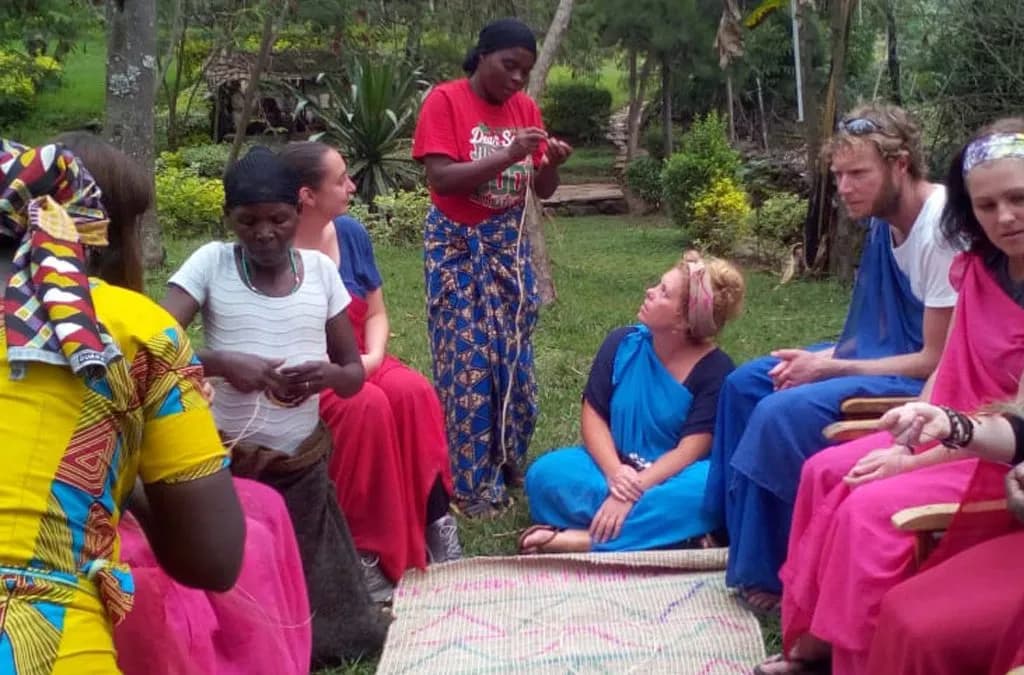
Beyond revenue sharing, Rwanda has invested in community-based conservation programs that empower local people as stewards of their natural heritage. Community rangers, many of whom are former poachers, now patrol park boundaries and monitor wildlife. Women's cooperatives produce crafts and food products for sale to tourists, providing independent income streams. Youth education programs teach environmental stewardship and career skills in tourism and hospitality. These initiatives create deep local ownership of conservation outcomes and ensure that the benefits of wildlife tourism reach those who live closest to the animals.
Akagera's Remarkable Restoration
Akagera National Park's transformation is one of Africa's most inspiring conservation stories. After decades of decline due to human encroachment and poaching, the park was placed under joint management by the Rwanda Development Board and African Parks in 2010. Since then, the park has been completely fenced, lions were reintroduced in 2015, and Eastern black rhinos returned in 2017 — restoring Akagera's Big Five status for the first time in over a decade. Today, Akagera is financially self-sustaining through tourism revenue, a remarkable achievement for a park that was once considered a lost cause. Visitor numbers have tripled, and the park supports thriving populations of elephants, giraffes, zebras, hippos, and hundreds of bird species.
Protecting Nyungwe Forest
Nyungwe Forest National Park protects one of Africa's oldest and most biodiverse montane rainforests. Conservation efforts here focus on maintaining habitat connectivity, monitoring chimpanzee and colobus monkey populations, and preventing illegal logging and mining. The park's canopy walkway and guided primate treks generate tourism revenue that supports ongoing protection efforts. Buffer zone initiatives encourage sustainable agriculture and agroforestry practices among communities bordering the forest, reducing pressure on the park while improving local food security and income. Nyungwe's conservation model demonstrates that protecting ancient ecosystems requires a holistic approach that addresses both ecological and human needs.
Addressing Human-Wildlife Conflict
As wildlife populations recover and human settlements expand, conflicts between people and animals are an inevitable challenge. In Rwanda, elephants from Akagera occasionally raid crops, and buffalo from Volcanoes National Park can damage farmland. The Rwanda Development Board has implemented rapid-response teams, compensation schemes, and physical barriers to mitigate these conflicts. Community education programs help farmers adopt wildlife-friendly practices, such as planting chili peppers or beehive fences to deter elephants. Addressing human-wildlife conflict fairly and effectively is essential to maintaining community support for conservation in the long term.
Education and the Next Generation
Rwanda recognizes that lasting conservation depends on educating the next generation. Environmental education programs in schools near national parks teach children about biodiversity, ecosystem services, and the economic value of wildlife tourism. Student visits to parks and wildlife centers inspire young Rwandans to become future conservation leaders. Organizations like the Dian Fossey Gorilla Fund run youth programs that combine science education with hands-on field experience. By investing in education, Rwanda is building a generation that understands and values its natural heritage — ensuring that conservation gains are not only maintained but expanded in the decades to come.
Sustainable Tourism Practices
Rwanda's approach to tourism is deliberately sustainable. Strict limits on gorilla trekking permits prevent overcrowding and minimize disturbance to wildlife. High-value, low-volume pricing ensures that tourism revenue is maximized without overwhelming fragile ecosystems. Lodges and camps near national parks increasingly adopt eco-friendly practices, including solar power, rainwater harvesting, waste reduction, and locally sourced materials and food. Village to Wild Safaris is committed to these principles, working with eco-certified accommodations and ensuring that every aspect of our tours — from transport to activities — prioritizes environmental responsibility.
Partnerships for a Sustainable Future
Rwanda's conservation achievements are built on strong partnerships between government, international organizations, the private sector, and local communities. The Rwanda Development Board, African Parks, the Dian Fossey Gorilla Fund, the Wildlife Conservation Society, and numerous other partners collaborate to protect habitats, monitor species, and develop sustainable tourism. Village to Wild Safaris is proud to be part of this network, contributing a portion of tour revenue to conservation and community projects and advocating for responsible tourism practices. Together, we are building a future where Rwanda's wildlife and people thrive side by side.
Rwanda's conservation journey is proof that protecting wildlife and empowering communities are not competing goals — they are inseparable. Every traveler who visits Rwanda with Village to Wild Safaris becomes part of this story, contributing directly to a model that the world is watching and learning from.