How to Prepare for Your First Gorilla Trek
Your first gorilla trek is one of the most exciting adventures you'll ever undertake. The thought of coming face to face with a wild mountain gorilla in the misty forests of Rwanda is thrilling — but a little preparation goes a long way in making the experience comfortable and enjoyable. At Village to Wild Safaris, we've guided hundreds of travelers through their first gorilla trek, and we've put together this comprehensive preparation guide to help you make the most of every moment.
Physical Fitness and Training
Gorilla trekking involves hiking through dense mountain forest at altitudes ranging from 2,500 to 4,000 meters, and treks can last anywhere from one to six hours depending on the gorilla family's location. While you don't need to be an athlete, a reasonable level of fitness will make the trek much more enjoyable. Start preparing at least four to six weeks before your trip by incorporating regular walks, hikes, or stair climbing into your routine. Focus on building leg strength and cardiovascular endurance. If you have access to hills or trails, practice hiking with a daypack to simulate trekking conditions. Remember that altitude can make exertion feel harder, so pace yourself and don't underestimate the terrain.
What to Pack for Your Trek
Packing the right gear is essential for a comfortable gorilla trek. Start with sturdy waterproof hiking boots that provide good ankle support — the forest floor is often muddy, slippery, and uneven. Wear long-sleeved shirts and long trousers to protect against stinging nettles, thorns, and insects. Bring a lightweight, waterproof rain jacket, as the forest weather can change quickly. Thick gardening gloves are invaluable for gripping vegetation as you climb. Pack a daypack with at least two liters of water, energy snacks, a packed lunch (your lodge can provide this), sunscreen, insect repellent, and a hat. A walking stick is usually provided at the trailhead, but you can bring your own if you prefer.
Camera and Photography Tips
Capturing your gorilla encounter on camera is a priority for most trekkers, but there are important guidelines to follow. Flash photography is strictly prohibited, as it can disturb and agitate the gorillas. Use a camera with good low-light performance, as the forest canopy creates dim conditions. A lens in the 24-200mm range is ideal for capturing both close-up portraits and group scenes. Set your camera to a high ISO (800-3200) and use burst mode to capture fleeting moments. Smartphones can also produce excellent photos in good light. Keep your camera easily accessible — when you reach the gorillas, you'll want to start shooting immediately rather than fumbling with your bag.
Understanding the Permit and Briefing Process
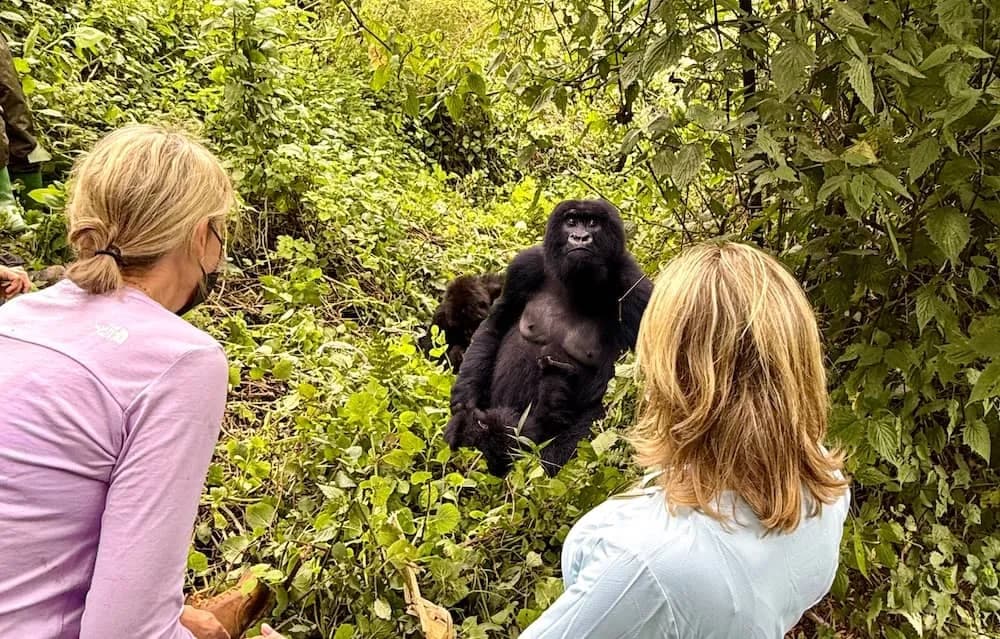
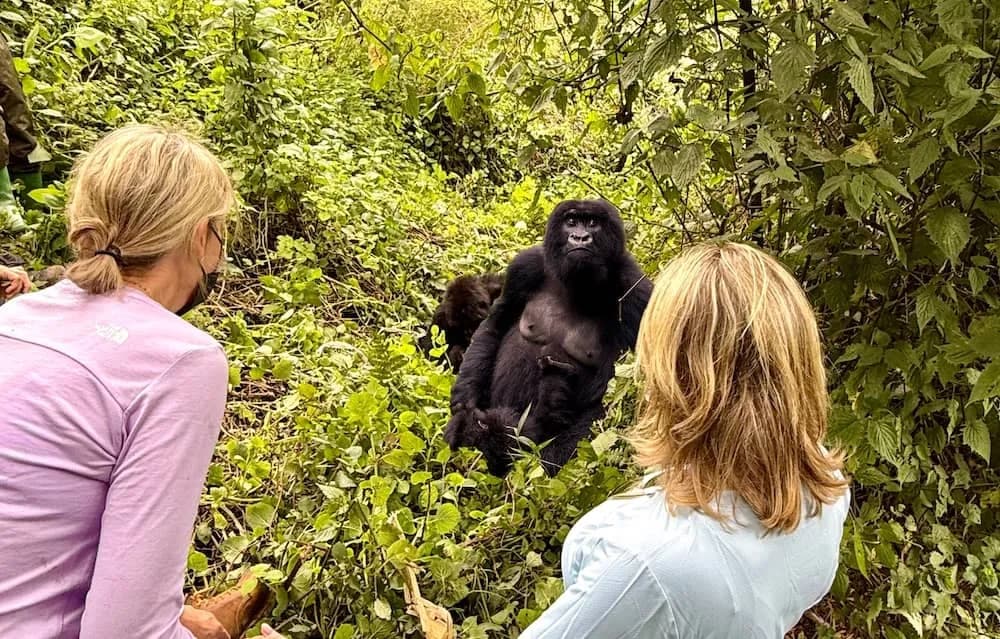
Your gorilla trekking day begins with a briefing at Volcanoes National Park headquarters at approximately 7:00 AM. Rangers will explain the rules of the trek — maintaining a seven-meter distance from the gorillas, keeping voices low, not eating or drinking near the gorillas, and limiting your encounter to one hour. You'll be assigned to a gorilla family based on your fitness level and preference, and divided into groups of up to eight trekkers. Village to Wild Safaris handles all permit arrangements and logistics, so you can focus entirely on the experience.
Hiring a Porter
We strongly recommend hiring a porter for your gorilla trek. Porters are local community members who carry your daypack, provide a helping hand on steep and slippery sections, and offer encouragement throughout the hike. Hiring a porter costs around $20 and directly supports local livelihoods — many porters are former poachers who have found dignified employment through the tourism industry. Having someone carry your bag frees you to focus on the trail and your surroundings, and their knowledge of the terrain is invaluable. It's a small investment that makes a big difference to both your experience and the community.
Health Considerations and Altitude
Gorilla trekking takes place at altitude, and some trekkers may experience mild altitude effects such as shortness of breath or fatigue. Staying well-hydrated, eating a good breakfast, and pacing yourself will help minimize these effects. If you have pre-existing respiratory or cardiac conditions, consult your doctor before trekking. Travelers with colds, flu, or other transmissible illnesses are not permitted to trek, as gorillas are susceptible to human diseases. Ensure your routine vaccinations are up to date, and consider vaccinations for yellow fever, hepatitis A and B, and typhoid before traveling to Rwanda. Travel insurance that covers emergency evacuation is strongly recommended.
What to Expect During the Encounter
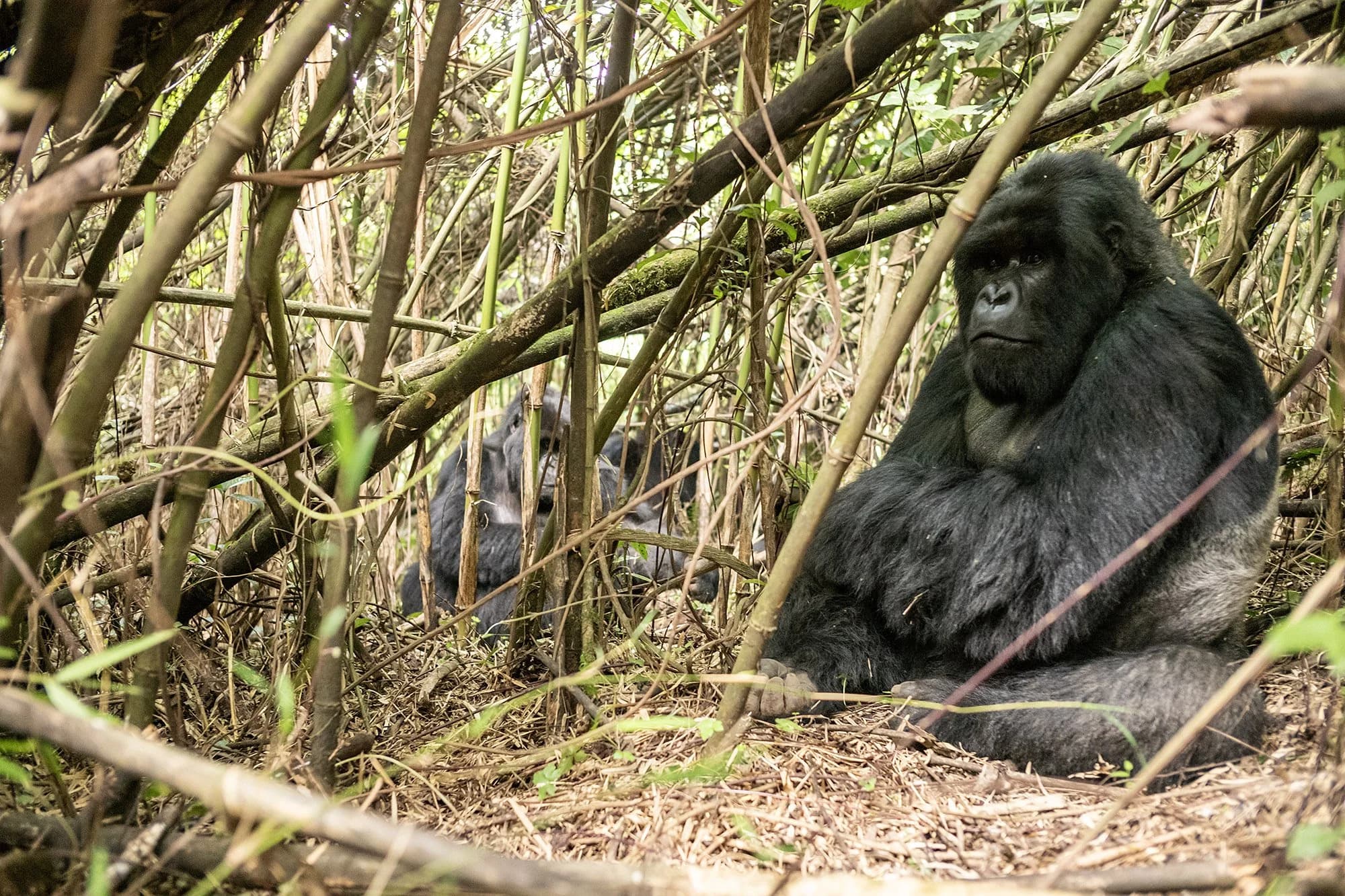
When your group reaches the gorilla family, the lead tracker will signal you to lower your voices and approach slowly. The gorillas are accustomed to human visitors and generally continue their activities — feeding, grooming, playing, and resting — while you observe from a respectful distance. Silverbacks may occasionally display their dominance with chest-beating or vocalizations, which is perfectly normal behavior. Stay calm, avoid direct eye contact, and follow your guide's instructions at all times. The one-hour encounter passes incredibly quickly, so be present and absorb every moment. Many trekkers describe this as the most emotional wildlife experience of their lives.
After Your Trek
After your gorilla encounter, you'll hike back to the trailhead where you'll receive a gorilla trekking certificate — a wonderful keepsake of your achievement. Take time to thank your guide, trackers, and porter, and consider tipping them for their excellent service. Back at your lodge, you'll have time to rest, share stories with fellow trekkers, and reflect on one of the most remarkable experiences of your life. Many travelers find that a single gorilla trek inspires them to return for another — and Village to Wild Safaris offers multi-day itineraries that include two gorilla treks for those who can't get enough.
Preparing for your first gorilla trek doesn't have to be daunting. With the right gear, a reasonable level of fitness, and the expert support of Village to Wild Safaris, you're set for an adventure that will stay with you forever. The gorillas are waiting — all you need to do is take the first step.