Why Rwanda Is the Best Destination for Wildlife Lovers
For wildlife enthusiasts, few destinations on Earth can match what Rwanda offers in such a compact, accessible package. Within a country smaller than the US state of Maryland, you can trek with mountain gorillas, track chimpanzees through ancient rainforest, spot the Big Five on savannah game drives, and discover over 700 bird species — all within days of each other. Rwanda's exceptional conservation record, world-class infrastructure, and commitment to sustainable tourism make it the ultimate destination for anyone who loves wildlife. Here's why Village to Wild Safaris believes Rwanda stands above the rest.
Mountain Gorillas: The Crown Jewel
Rwanda is one of only three countries in the world where you can trek with wild mountain gorillas, and it offers the most streamlined, well-organized trekking experience of them all. Volcanoes National Park is just a two-hour drive from Kigali, meaning you can arrive in Rwanda and be trekking with gorillas the very next morning. With over 10 habituated gorilla families and a carefully managed permit system, Rwanda ensures that every trekker has an intimate, uncrowded encounter. The mountain gorilla is the planet's most endangered great ape, and seeing them in the wild — observing a silverback's gentle authority or a baby's playful curiosity — is a privilege that transforms every visitor.
Chimpanzees and Primates Galore
Beyond gorillas, Rwanda is a primate paradise. Nyungwe Forest National Park is home to 13 primate species, including a thriving population of habituated chimpanzees. Tracking chimps through the ancient montane rainforest is an exhilarating experience — their intelligence, social dynamics, and remarkable similarity to humans make every encounter fascinating. Nyungwe also harbors large troops of Ruwenzori colobus monkeys — sometimes numbering over 300 individuals — as well as L'Hoest's monkeys, grey-cheeked mangabeys, and owl-faced monkeys. For primate lovers, Rwanda is unmatched in the concentration and accessibility of its species.
The Big Five in Akagera
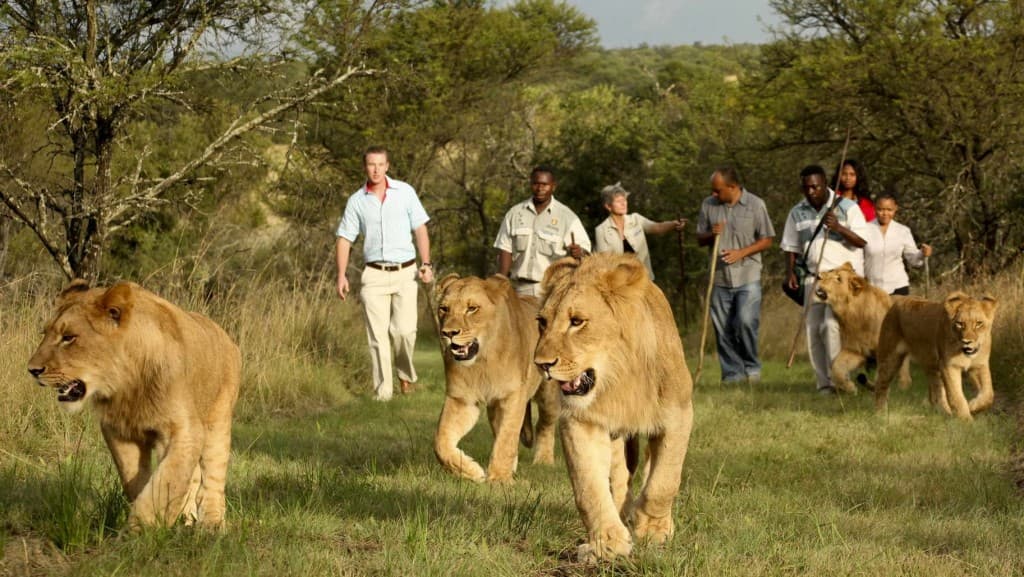
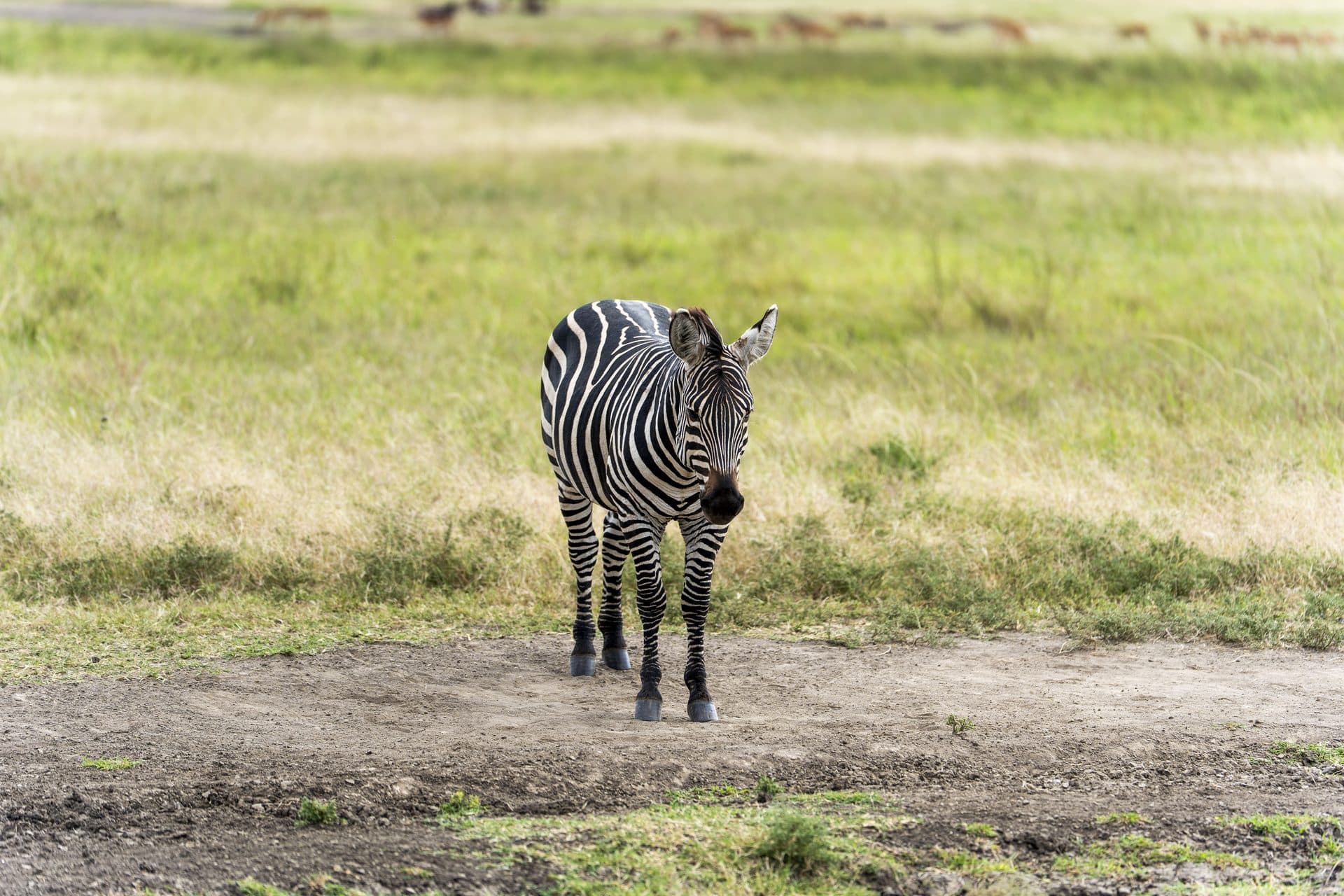
Rwanda's wildlife credentials extend beyond primates to include all of Africa's Big Five. Akagera National Park, in the eastern part of the country, is home to lions, elephants, leopards, rhinos, and buffalo — the result of one of Africa's most successful conservation restoration projects. Game drives through Akagera's rolling savannah reveal giraffes, zebras, hippos, crocodiles, and a stunning variety of antelope species. Boat safaris on Lake Ihema offer unique water-based wildlife viewing, and the park's uncrowded roads ensure a peaceful, intimate safari experience that contrasts sharply with the busy circuits of Kenya and Tanzania.
A Birder's Paradise
With over 700 recorded bird species, Rwanda is a world-class birding destination. Nyungwe Forest alone hosts nearly 300 species, including 27 Albertine Rift endemics that are found nowhere else on Earth. Akagera's wetlands and savannahs attract hundreds of waterbirds, raptors, and savannah species, while the papyrus swamps shelter the rare and secretive shoebill stork. The forests around Volcanoes National Park provide habitat for montane specialists, and Kigali's urban green spaces attract surprising diversity. Whether you're a dedicated twitcher or a casual observer, Rwanda's birdlife will leave you astonished.
Compact and Accessible
One of Rwanda's greatest advantages for wildlife lovers is its compact size and excellent infrastructure. Unlike many African safari destinations that require long drives or internal flights between parks, Rwanda allows you to experience gorillas, chimpanzees, Big Five game drives, and cultural encounters all within a single week. Kigali International Airport is a regional hub with connections to major cities worldwide, and well-maintained roads make travel between parks comfortable and scenic. This accessibility means you spend more time enjoying wildlife and less time in transit — maximizing every day of your trip.
Safety and Hospitality
Rwanda is consistently ranked as one of the safest countries in Africa, with low crime rates, a stable political environment, and a welcoming population. Kigali is famously one of the cleanest cities on the continent, and the country's commitment to order and progress is evident everywhere you go. Rwandans are warm, friendly, and proud of their country's natural heritage, making visitors feel welcome and valued. Village to Wild Safaris adds another layer of comfort and security, with experienced local guides, reliable transport, and carefully selected accommodations that ensure your wildlife adventure is worry-free.
Conservation You Can See
Rwanda's conservation achievements are visible everywhere — in the growing gorilla populations, the restored Big Five herds of Akagera, the protected forests of Nyungwe and Gishwati-Mukura, and the thriving communities adjacent to national parks. Every gorilla permit, every park entry fee, and every lodge booking contributes directly to conservation and community development. For wildlife lovers who want their travel to make a positive difference, Rwanda offers the most transparent and impactful conservation model in Africa. When you travel with Village to Wild Safaris, you become an active partner in protecting the wildlife and habitats that make Rwanda extraordinary.
Rwanda offers wildlife lovers something truly special — an intimate, diverse, and meaningful wildlife experience in one of the most beautiful and well-managed destinations in Africa. From gorillas to the Big Five, from ancient forests to rolling savannah, Rwanda proves that the best things come in small packages. Let Village to Wild Safaris show you why Rwanda is the ultimate destination for wildlife enthusiasts.