
A Cultural Journey Through Rwanda
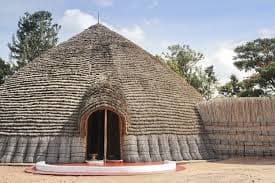
Rwanda's culture is as rich and layered as its landscapes. Beyond the wildlife and natural beauty, travelers who take time to engage with Rwandan traditions discover a society built on resilience, creativity, and deep communal bonds. From the thundering rhythms of Intore dance to the intricate geometry of Imigongo art, from aromatic coffee ceremonies to village storytelling sessions, Rwanda offers cultural experiences that move the heart and open the mind. At Village to Wild Safaris, we believe that understanding Rwanda's culture is just as essential as seeing its gorillas.
The Power of Intore Dance
Intore, meaning 'the chosen ones,' is Rwanda's most celebrated traditional dance form. Historically performed by warriors to demonstrate strength, agility, and bravery, Intore dance today is a vibrant expression of Rwandan identity and pride. Dancers adorned in flowing grass headdresses and beaded ornaments move with extraordinary energy, leaping, spinning, and stomping to the rhythm of drums. Performances are accompanied by chanting and storytelling that recount tales of heroism and unity. Watching an Intore performance — especially in a community setting near Volcanoes National Park — is an electrifying experience that connects you to centuries of Rwandan tradition.
Traditional Music and Instruments
Music is woven into the fabric of Rwandan life, marking celebrations, harvests, and communal gatherings. Traditional instruments include the inanga (a trough zither), the ikembe (thumb piano), the iningiri (a single-string fiddle), and an array of drums that form the backbone of Rwandan rhythm. The royal drum ensemble, known as ingoma, holds special cultural significance and was historically associated with the Rwandan monarchy. Today, traditional musicians perform at cultural centers, festivals, and community events, preserving sounds that have echoed through Rwanda's hills for generations.
Imigongo Art: Geometry in Cow Dung
One of Rwanda's most distinctive art forms, Imigongo originated in the southeastern region and involves creating bold geometric patterns using a mixture of cow dung and natural pigments. The result is striking black, white, red, and grey designs that adorn shields, walls, and decorative panels. Traditionally created by women, Imigongo art has become a symbol of Rwandan creativity and cultural heritage. Visitors can watch artisans at work in villages near Nyanza and even try their hand at creating their own Imigongo patterns, taking home a unique piece of Rwandan art.
Rwanda's Coffee Culture
Rwanda produces some of the world's finest specialty coffee, grown on the rich volcanic soil of its highlands. A coffee tour in regions like Gisenyi or Musanze takes you through the entire journey from cherry to cup — picking ripe coffee cherries, washing and drying the beans, roasting them over open flames, and finally savoring a freshly brewed cup with panoramic views of the hills. Coffee farming is a vital livelihood for hundreds of thousands of Rwandan families, and many cooperatives are run by women. By participating in a coffee tour, you directly support rural communities and gain a deeper appreciation for the craft behind every sip.
Rwandan Cuisine and Flavors
Rwandan cuisine is hearty, flavorful, and deeply connected to the land. Staple dishes include isombe (cassava leaves with spinach and palm oil), ibihaza (pumpkin), and brochettes — grilled meat skewers served at restaurants and street stalls across the country. Ugali (a stiff cornmeal porridge) and beans are daily staples, while plantains, sweet potatoes, and fresh fruits are abundant. In Kigali, a growing food scene blends traditional Rwandan flavors with international influences, offering everything from local buffets to fine dining. For an authentic experience, a home-cooked meal with a Rwandan family is an unforgettable highlight.
Handcrafts and Weaving Traditions
Rwanda's artisan traditions are alive and thriving. The country is famous for its agaseke — intricately woven baskets with fitted lids that symbolize peace and reconciliation. Traditionally given as gifts during important ceremonies, these baskets are made by women's cooperatives and have become iconic symbols of Rwandan craftsmanship. Kimironko Market in Kigali is the best place to shop for baskets, along with colorful kitenge fabrics, beaded jewelry, wooden carvings, and pottery. Purchasing these handcrafted goods directly supports local artisans and helps sustain traditional skills.
Community-Based Tourism
Rwanda's community tourism initiatives invite travelers to engage directly with local villages and families. Programs near Volcanoes National Park, Nyungwe Forest, and Akagera allow visitors to participate in daily activities such as farming, cooking, banana beer brewing, and traditional healing practices. These experiences provide meaningful cross-cultural exchanges that benefit both visitors and host communities. Village to Wild Safaris partners with community tourism projects to ensure your visit creates lasting positive impact while giving you an authentic window into Rwandan daily life.
Storytelling and Oral Traditions
Storytelling has been the primary means of passing down history, values, and wisdom in Rwandan culture for centuries. Elders gather children around evening fires to share tales of mythical kings, clever animals, and moral lessons. Proverbs and riddles — known as imigani and ibisakuzo — are integral to everyday conversation and reflect a deep respect for language and wit. Community storytelling sessions offer visitors a rare glimpse into this rich oral heritage, where the rhythms of the Kinyarwanda language bring ancient tales to life.
Modern Rwandan Culture and Innovation
Rwanda's cultural story is also one of innovation and forward-thinking. Kigali has emerged as one of Africa's cleanest, safest, and most dynamic cities, with a thriving arts scene, tech hub, and world-class conference facilities. The Inema Arts Center showcases contemporary Rwandan artists, while the Kigali Arena hosts international events. Umuganda, the monthly community service day where all citizens participate in public works, reflects Rwanda's ethos of collective responsibility and national pride. Modern Rwanda honors its traditions while confidently building a future that inspires the continent and the world.
Rwanda's culture is a tapestry of tradition and transformation. At Village to Wild Safaris, we weave cultural experiences into every itinerary, ensuring you leave with not just photographs, but a deeper understanding of the people and traditions that make Rwanda truly extraordinary.